
Residential Stucco Repair Calgary
Residential Stucco Repair Calgary
Cracks, chips, bubbling, stains, or mystery holes after hail season? We handle stucco repair in Calgary with solid prep, proper bonding, and a finish that matches the existing wall.
Fast patches are easy. Clean repairs that blend in and last take real skill.
Repair reality
What homeowners usually care about during stucco repair
Most residential repair questions come down to cost, visibility, durability, and whether the same problem will come back next winter.
Primary fear
Repeat
Homeowners do not want to pay twice for the same crack or stain pattern.
Visual concern
Blend
The repaired area needs to read like part of the wall, not a patch panel.
Best timing
Early
The earlier a weak detail is corrected, the less wall needs to be opened later.
Common causes
Moisture + movement
Those are the two drivers behind most recurring stucco issues in Calgary.
How we approach it
Fast patches are easy. Clean repairs take skill.
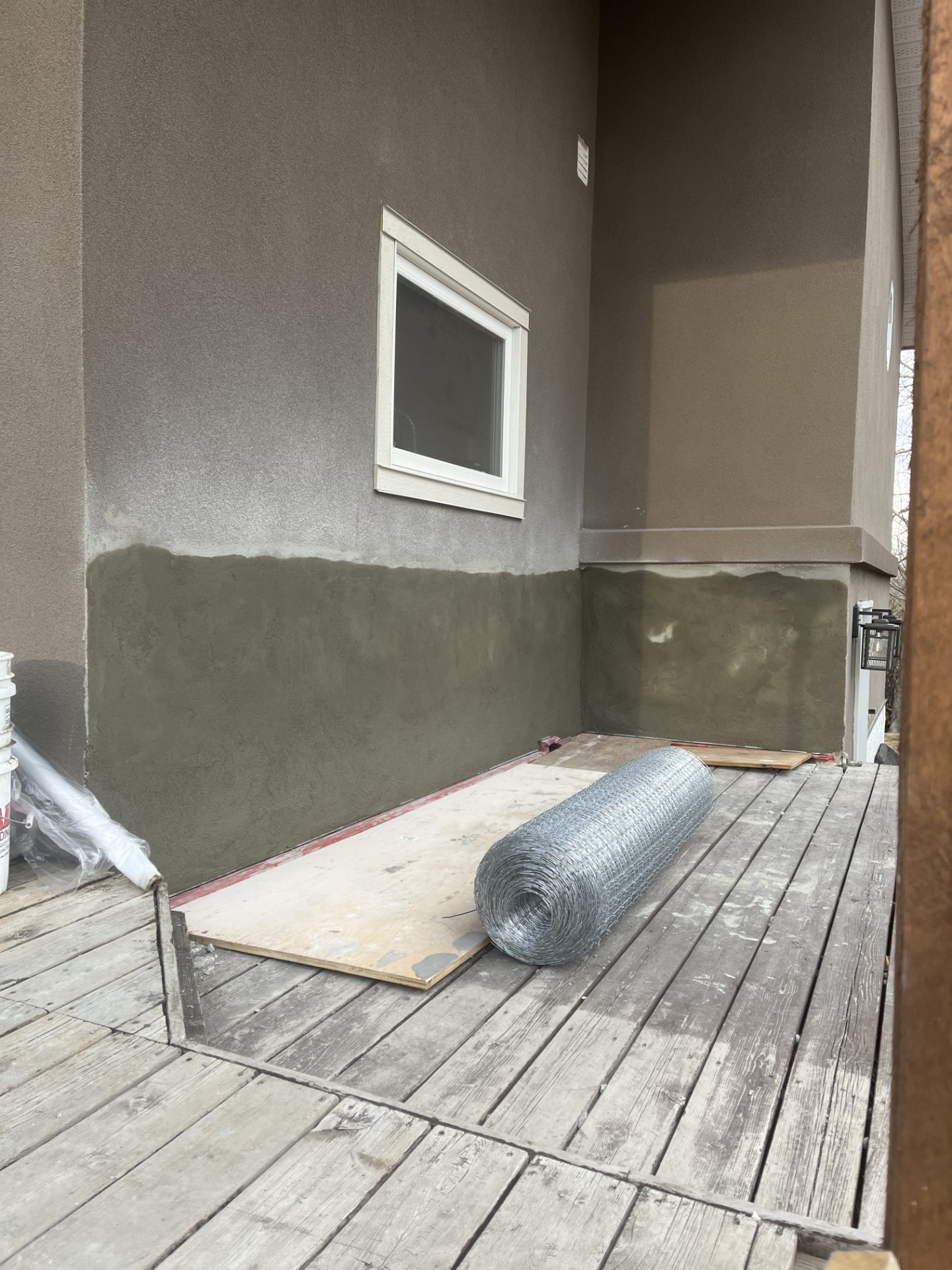
Most stucco repairs fail for one reason: the patch gets treated like filler instead of a system. We cut back damaged areas, reinforce where needed, rebuild the base, then blend texture and finish to suit the wall.
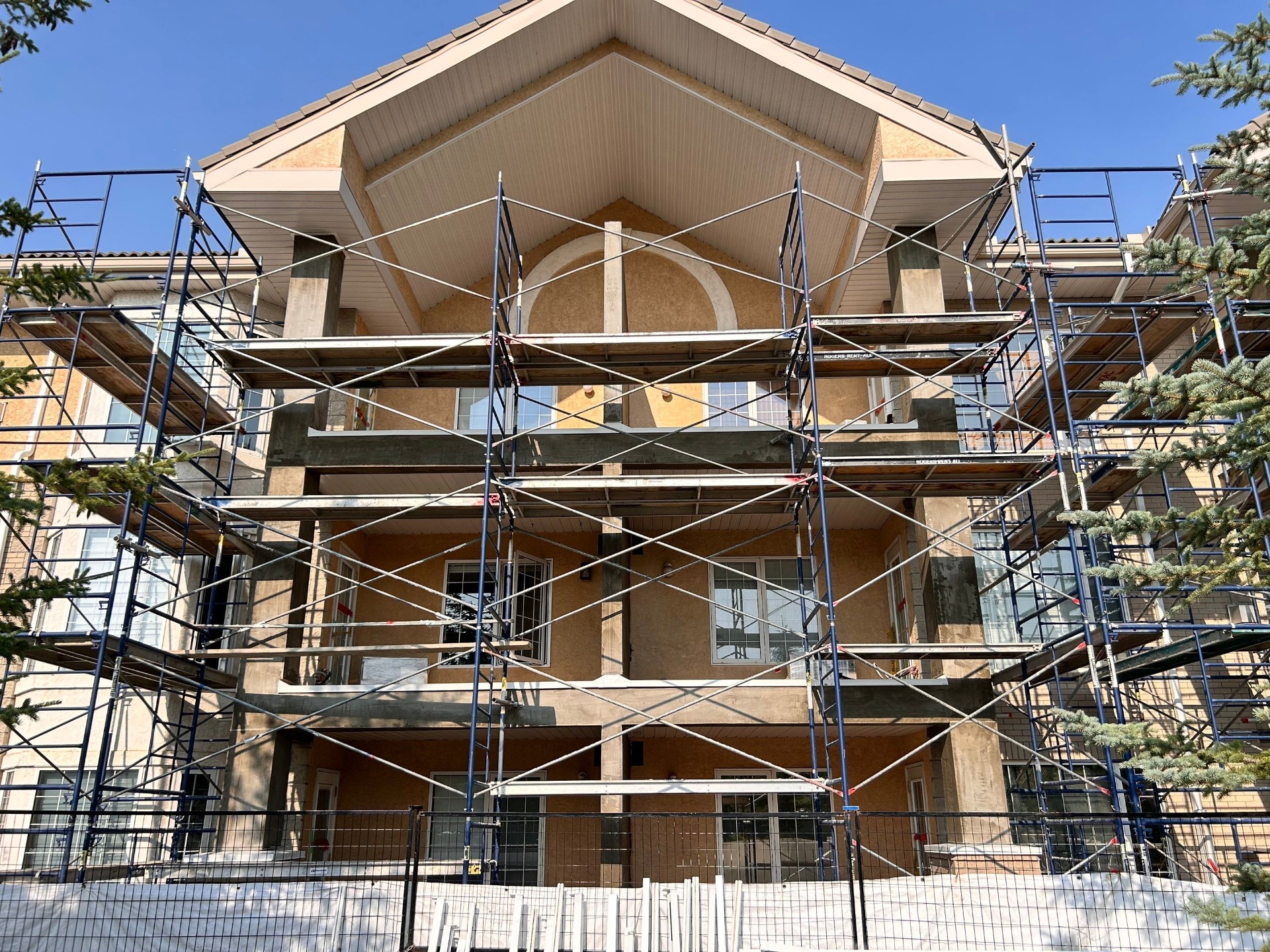
The result is a cleaner look now and a stronger exterior that is better prepared for Calgary freeze-thaw cycles.
- Proper cutback to sound material instead of surface-only filling.
- Reinforcement where cracks or weak transitions keep recurring.
- Texture and finish planned so the repair does not telegraph later.
Common repairs
Common stucco problems we repair in Calgary
The goal is not just to patch the surface. It is to stop moisture, restore the wall, and blend the repair so it does not stand out.
Cracks & chips
Typical seasonal movement damage repaired before moisture gets behind the finish.
Bubbling & soft spots
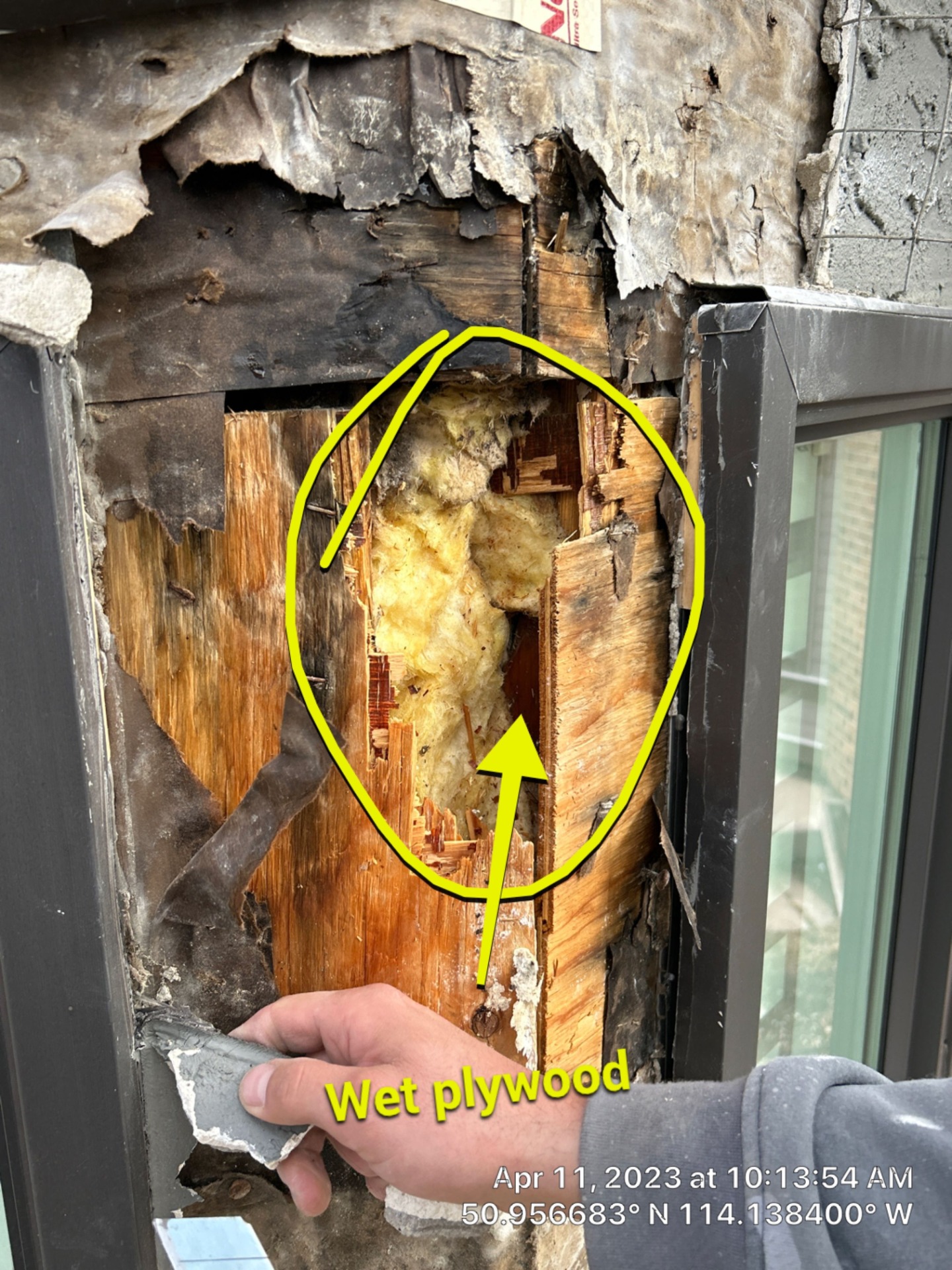
Areas inspected for trapped moisture and rebuilt once the underlying issue is addressed.
Hail impact damage
Pock marks and surface loss corrected with matching finish work instead of obvious spot repairs.
Woodpecker holes
Circular damage patched, sealed, and blended so the wall reads as one consistent finish again.
Repairs around windows & doors
Transitions rebuilt cleanly after window and door work so the opening does not become a leak point.
Delaminated sections
Loose or failed areas removed and rebuilt with the correct layers instead of being skimmed over.
Repair flow
How a residential stucco repair is handled properly
This is the difference between a repair that survives Calgary weather and one that looks acceptable for a month and then starts telegraphing itself again.
Step 1
Inspect the wall
We look for what caused the visible issue, not just the finish damage on top.
Step 2
Open the failed area
Weak or loose material is removed until the repair can tie back into sound substrate.
Step 3
Rebuild the layers
Bonding, reinforcement, base material, and cure time are all part of the finished result.
Step 4
Blend the finish
Texture and colour are matched as closely as the age and weathering of the wall allow.
Finish quality
Texture matching and finish blending
The difference is in the details: edges, lines, and a finish that does not stand out. A good repair should not draw your eye every time you walk up to the house.
We plan around the surrounding wall condition, existing weathering, and how the texture breaks across corners and openings so the blend feels intentional.
- Texture matched to the wall, not just the repair area.
- Edge work handled so the patch does not outline itself later.
- Finish choices made with weathering, sun exposure, and wall age in mind.
What changes the scope
When a stucco repair stays simple and when it becomes a bigger job
The same crack size does not always mean the same repair. What matters is what is happening behind it and around it.
Usually a simpler repair
- One localized crack line with sound material around it.
- Small impact damage with no sign of trapped moisture.
- A recent patch that only needs cleaner finish blending.
Usually a larger scope
- Staining, softness, or repeat cracking in the same zone.
- Damage around windows, doors, or other water-sensitive transitions.
- Loose or delaminated areas that spread beyond the visible blemish.
We can usually tell which category the repair falls into once we see the wall in person and compare the damaged area to the surrounding condition.
Repair details
What clean stucco repair looks like
A repair should not only be structurally right. It should also sit quietly on the home once the work is done.
Texture blend
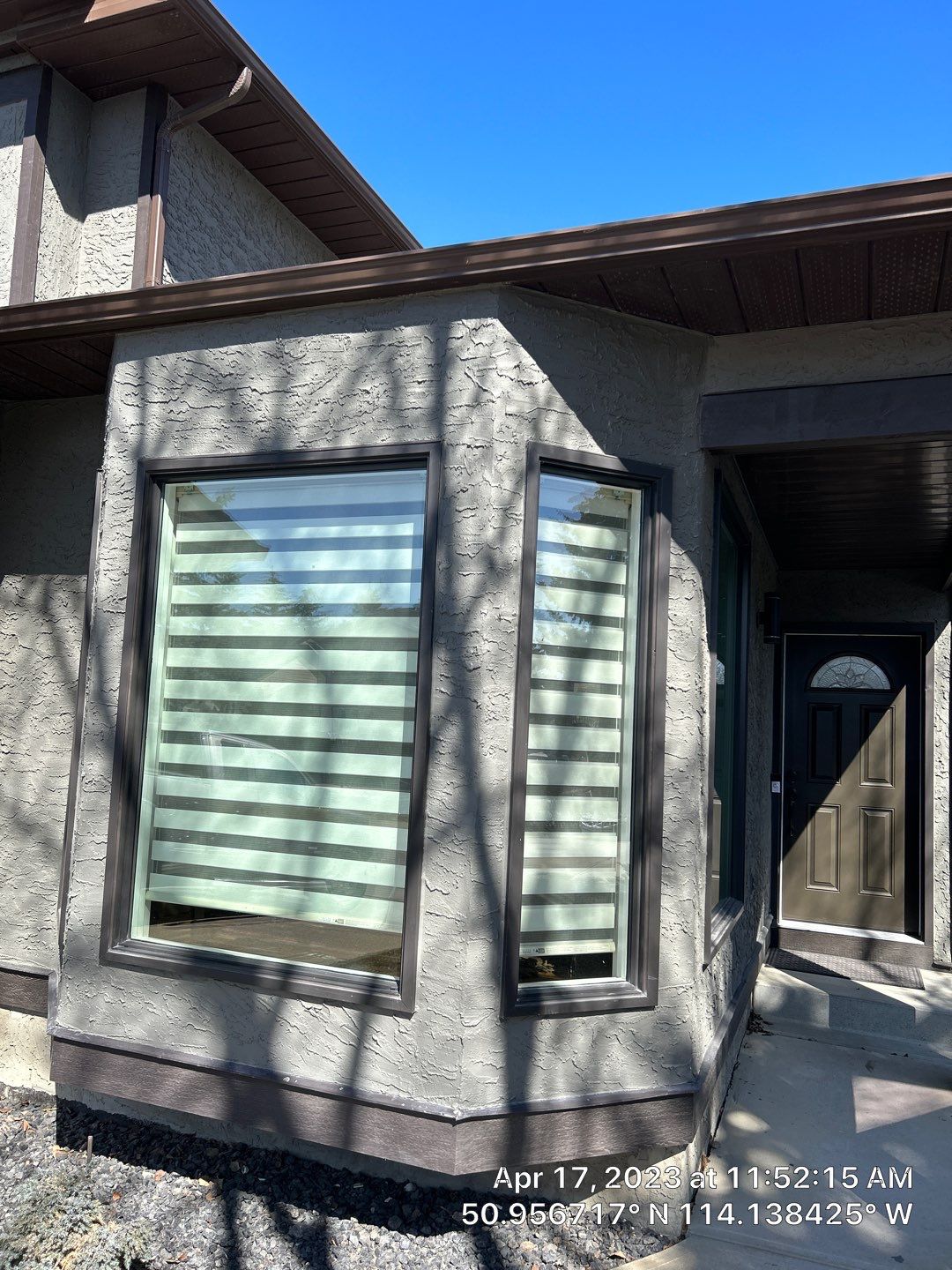
A strong match is about surface pattern, edge softness, and how the wall has already weathered.
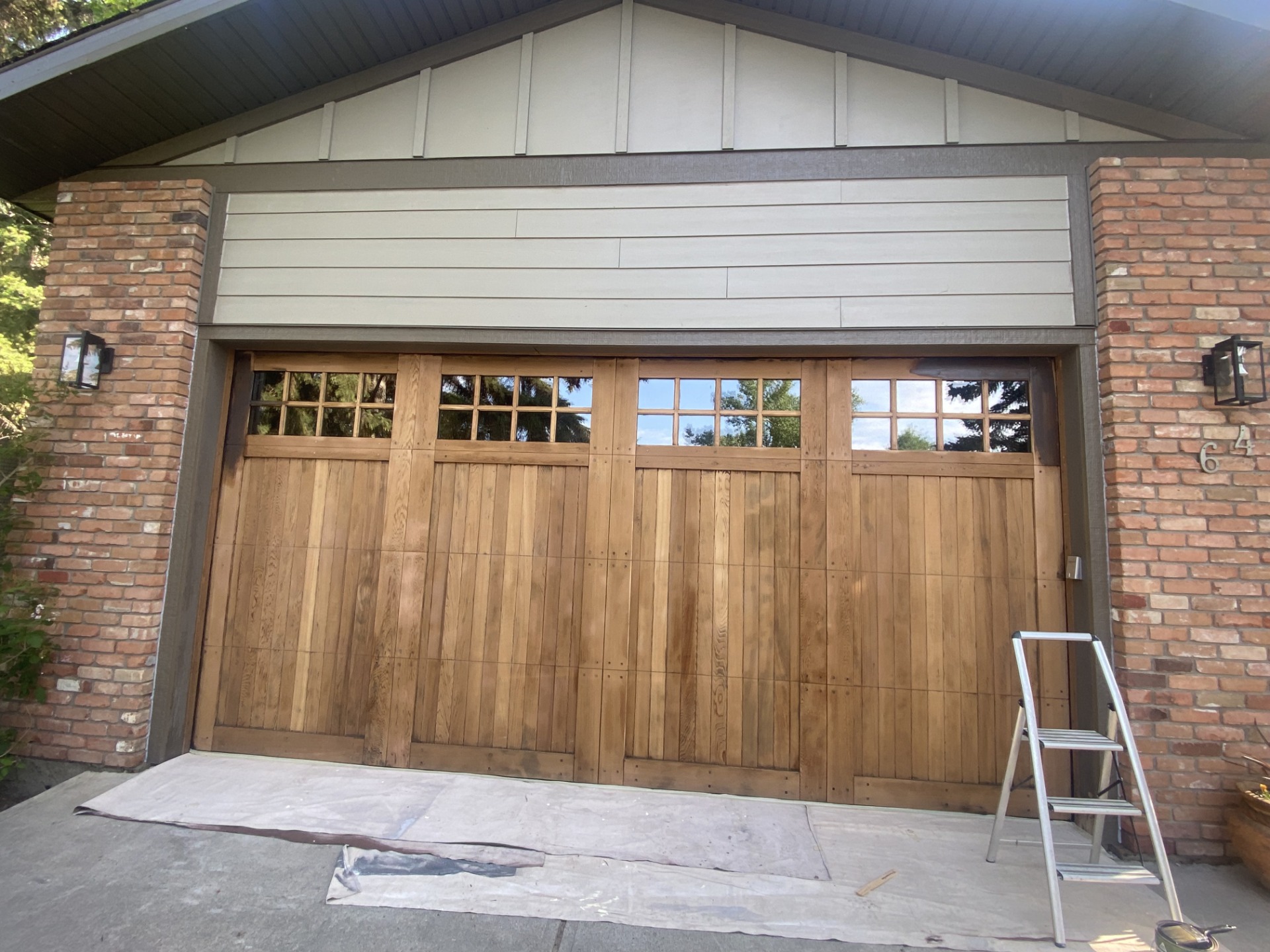
Sharper transitions
Window perimeters, corners, and material changes need better finish control than generic patching delivers.
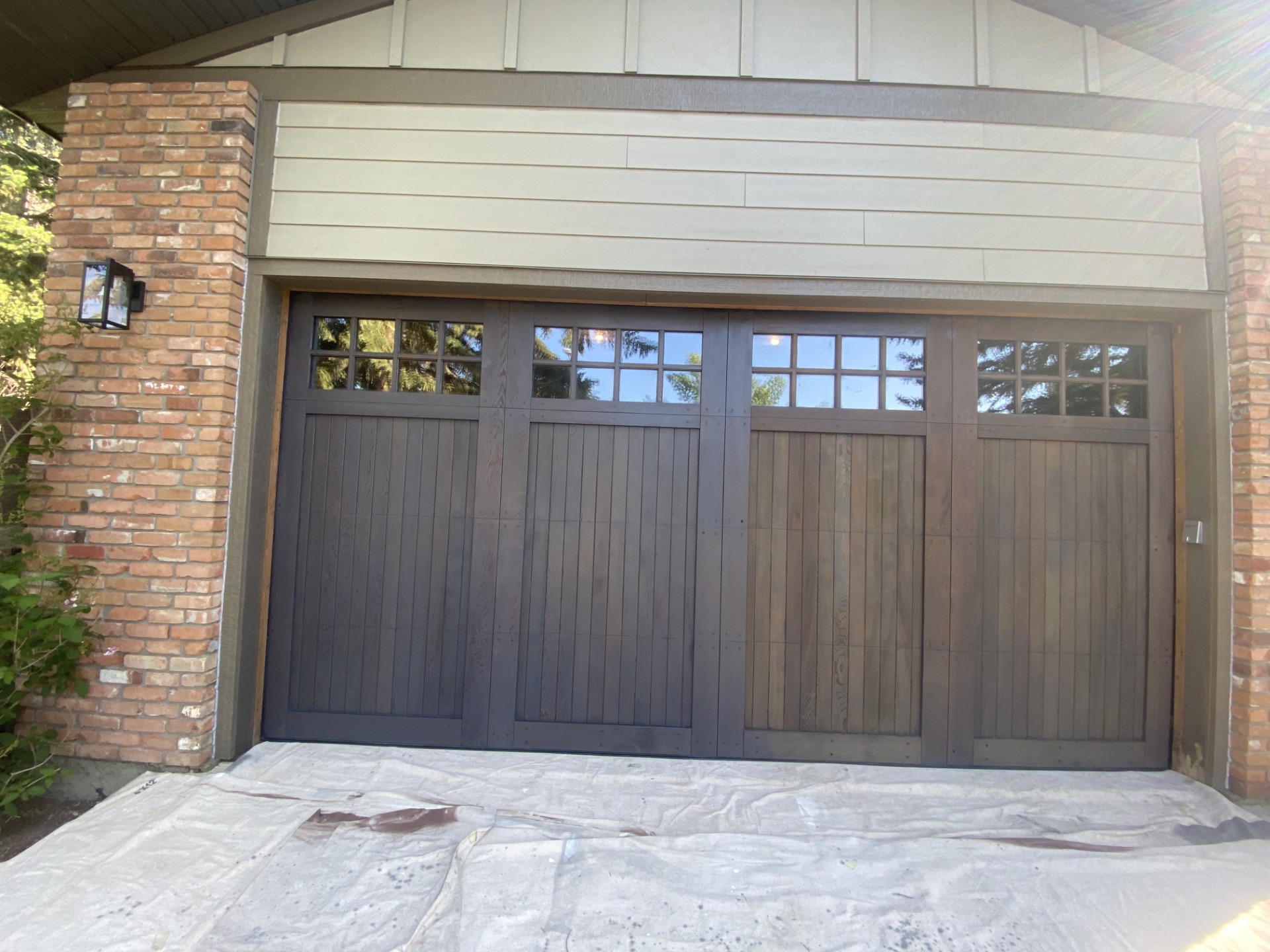
Whole-wall consistency
The repair should make sense against the broader elevation, not just in isolation.
FAQ
Residential repair questions
Can you repair small holes and isolated chips?
Yes. Small damage is often very repairable, and it is usually worth handling before moisture gets involved.
Will the repaired area match perfectly?
We aim for a clean, realistic blend. Exact matches can be limited by wall age, sun exposure, and previous weathering, but the goal is always to keep the repair visually quiet.
Can you repair around recently changed windows?
Yes. That is a common scope, and it often needs better transition detailing than the original opening had.
Get in touch
Need a stucco repair quote in Calgary?
Send a few photos or book an estimate and we will help you figure out whether the fix is cosmetic, moisture-related, or part of a larger exterior issue.